Fire Safety in the Workplace: An Irish Employer's Guide
Fire is one of the few workplace hazards that can destroy a business in minutes and put lives at risk in seconds. For Irish employers, managing that risk is not optional — it is a legal duty. Here is what you need to put in place.
Every workplace in Ireland, from a small café in Galway to a large distribution centre in Dublin, shares the same basic fire risk: a source of ignition, something to burn, and people who need to get out safely. The job of the employer is to break that chain before it starts and to make sure that, if a fire does break out, everyone can escape. This guide walks through the core duties and the practical steps that keep your people safe and your business compliant.
What the law requires of Irish employers
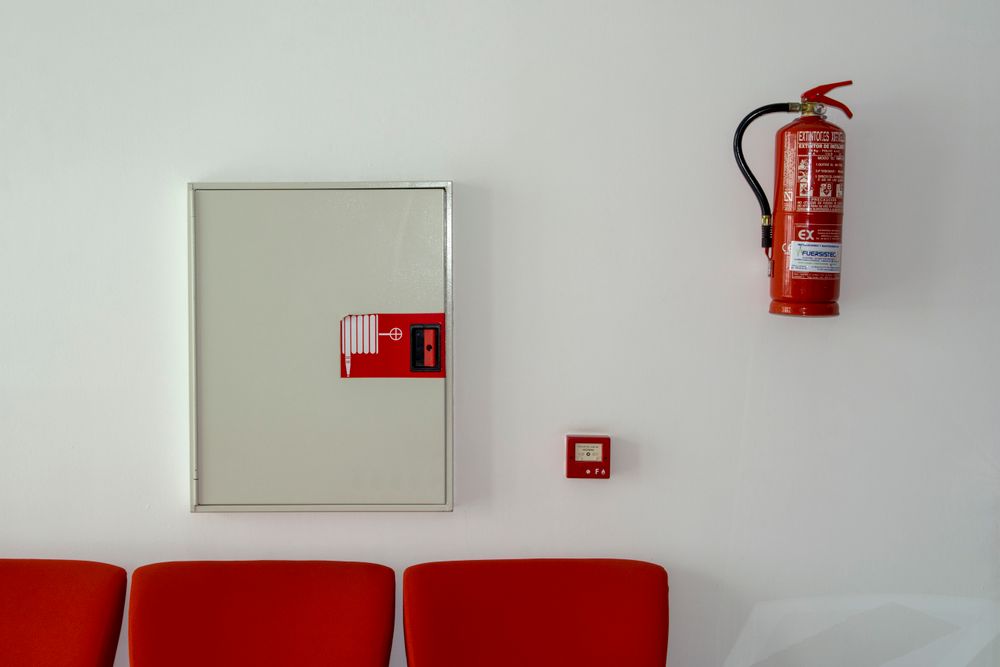
Two pillars of Irish law set out your responsibilities. The Fire Services Acts 1981 and 2003 place a duty on every person having control over premises to take all reasonable measures to guard against the outbreak of fire and to ensure the safety of people on the premises in the event of fire. That includes providing means of escape, fire-fighting equipment and a means of giving warning.
Alongside this, the Safety, Health and Welfare at Work Act 2005requires employers to identify hazards, assess risks and put control measures in place — and fire is one of the most serious hazards you will assess. The 2005 Act also obliges you to provide employees with the instruction, information and training they need to protect their safety, and to prepare emergency plans.
The duty to guard against fire applies to the person in control of the premises — you cannot delegate it away, even if you hire contractors or rent your unit.
Enforcement sits with the local fire authority (your city or county council fire service), while the Health and Safety Authority (HSA) oversees the broader duties under the 2005 Act. Both can inspect your premises, and the fire authority has strong powers we look at in our companion piece on fire safety law in Ireland.
Prevention: stop the fire before it starts
The cheapest fire to deal with is the one that never happens. Most workplace fires trace back to a small number of avoidable causes: faulty or overloaded electrical equipment, careless storage of combustible materials, hot work such as welding, smoking in the wrong places, and the build-up of waste. Good housekeeping is your first line of defence.
- Keep combustible waste, packaging and rubbish away from heat sources and clear it regularly.
- Have electrical installations and portable appliances inspected by competent persons.
- Store flammable liquids and gases in suitable, ventilated locations away from ignition sources.
- Control hot work with permits and a fire watch afterwards.
- Maintain clear smoking policies and provide designated areas only.
Detection and warning
If a fire starts when nobody is looking, automatic detection buys the time people need to escape. Most workplaces need a suitable fire-detection and alarm system that can be heard throughout the building. Test it weekly, keep a record, and make sure everyone recognises the sound of the alarm. Emergency lighting should illuminate escape routes if the power fails.
Means of escape
People must be able to leave quickly and safely from anywhere in the building. That means escape routes and final exits kept clear at all times, doors that open easily in the direction of travel, and clear, illuminated exit signage. A blocked fire exit is one of the most common — and most dangerous — failings inspectors find.
- Never lock, block or obstruct an escape route or fire exit.
- Keep corridors and stairways free of stored materials.
- Establish a clearly signed assembly point a safe distance from the building.
Fire drills and emergency plans
A plan that lives in a drawer saves nobody. Run fire drills regularly so that evacuation becomes second nature, and review the time it takes to clear the building. Your emergency plan should name who raises the alarm, who calls 999 or 112, who sweeps the building and who takes the roll call at the assembly point. After each drill, record what happened and fix any problems.
Training: the duty you cannot skip
Equipment and plans only work if people know how to use them. Appointing and training fire wardens gives you trained staff who can lead an evacuation, carry out checks and tackle a small fire safely. General fire-safety awareness for all staff — how fires start, what the alarm means, how to evacuate and how to use an extinguisher — turns a panicked crowd into an orderly one.
Fire Safety training from €35
Self-paced, HSA-aligned, certificate the same day — €35 per person.
Key takeaways
- Under the Fire Services Acts 1981 and 2003 and the 2005 Act, the person in control of premises must guard against fire and protect people on site.
- Prevention through good housekeeping is the most effective control — manage electrics, flammables, waste and hot work.
- Provide detection, alarms, emergency lighting and clear, unobstructed escape routes.
- Run regular drills and keep a written emergency plan that names key roles.
- Train staff and appoint fire wardens — the 2005 Act makes training a legal duty.
Workplace fire safety is not a one-off project; it is an ongoing routine of prevention, maintenance and training. Build those habits into how your business runs every day, and you protect your people, your premises and your livelihood. A trained team is the single best investment you can make — start with a recognised Fire course for just €35 per person.