Manual Handling Training: The Complete Irish Guide for 2026
Manual handling injuries remain one of the most common causes of lost working days in Ireland. This guide explains what manual handling really means, the legal duty placed on employers under Irish law, what a proper course covers, and how recognised certification keeps you compliant in 2026.
What manual handling actually means
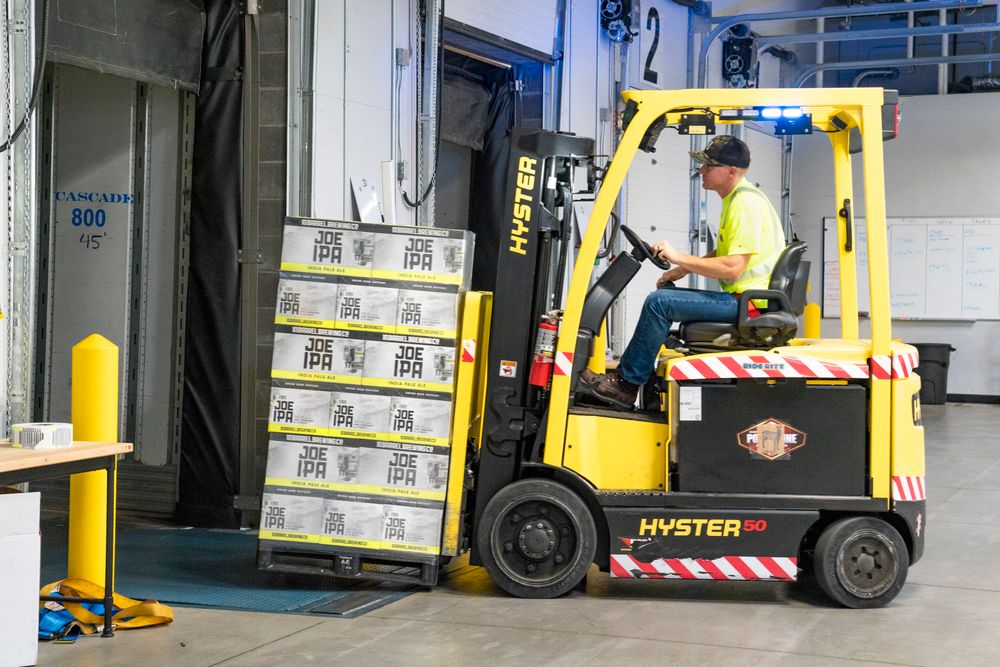
Manual handling is far broader than lifting heavy boxes. Under Irish health and safety law it covers any transporting or supporting of a load by hand or bodily force. That includes lifting, lowering, pushing, pulling, carrying and moving. A nurse turning a patient, a chef carrying a stockpot, a warehouse operative stacking pallets and an office worker shifting a box of paper are all carrying out manual handling.
The risk is not limited to a single dramatic lift. Most musculoskeletal injuries build up gradually through repeated awkward movements, poor posture and loads that are bulky, unstable or carried too far. Backs, shoulders, necks and knees take the strain, and the resulting injuries can be slow to heal and sometimes permanent. Good training is about prevention long before an injury ever occurs.
The legal duty under Irish law
The foundation of workplace safety in Ireland is the Safety, Health and Welfare at Work Act 2005. It places a general duty on every employer to ensure, so far as is reasonably practicable, the safety, health and welfare of employees. Manual handling sits squarely inside that duty.
The detail is set out in the Safety, Health and Welfare at Work (General Application) Regulations 2007, specifically Chapter 4 of Part 2which deals with the manual handling of loads. The regulations require an employer to take appropriate steps to avoid the need for hazardous manual handling where possible. Where it cannot be avoided, the employer must assess the risk and reduce it as far as is reasonably practicable.
There is no fixed legal weight limit in Irish law. The Health and Safety Authority (HSA) provides guidance, but the law focuses on assessing the actual risk in each situation rather than setting a single number that applies everywhere.
That last point surprises many people. There is no magic figure that makes a lift legal or illegal. What matters is whether the task, the load, the individual and the environment combine to create an unacceptable risk. Training teaches your team to recognise that combination and act on it.
What a manual handling course covers
A good course is practical, not just legal box-ticking. A well-designed programme will work through:
- The structure and function of the spine and why poor lifting damages it
- The types of injury that manual handling causes and how they develop
- The legal framework under the 2005 Act and the 2007 Regulations
- How to assess a task using the TILE approach — Task, Individual, Load, Environment
- Correct lifting technique using the plan, position, grip, lift and move sequence
- Team lifting, pushing and pulling, and using mechanical aids safely
- How to recognise and report hazards before they cause harm
If you want a deeper look at how to evaluate a job before you touch the load, our guide to the TILE method breaks the four factors down with real Irish workplace examples.
Manual Handling training from €35
Self-paced, HSA-aligned, certificate the same day — €35 per person.
Who needs manual handling training?
The short answer is almost everyone who lifts, carries or moves anything as part of their job. In practice that means employees in construction, warehousing and logistics, retail, hospitality, healthcare, manufacturing, agriculture, cleaning and even office environments. If a role involves any meaningful manual handling, the employer should ensure the worker is trained and that the training is refreshed at sensible intervals.
Employers carry the primary legal responsibility, but employees also have duties. Under the 2005 Act, workers must take reasonable care of their own safety and that of others, use the systems and equipment provided, and follow the training they receive. Manual handling is genuinely a shared effort.
How certification works in Ireland
There is no single state-issued manual handling licence in Ireland. Instead, employers must ensure training is delivered by a competent provider and that it meets the standard expected by the HSA. Many learners look for training mapped to the QQI framework, and certificates issued by a recognised provider give employers documented evidence that the training requirement has been met.
Our online manual handling courseis HSA-aligned, self-paced and issues a certificate the same day you pass — valid for three years. At €35 per person it is an affordable way to keep an individual or a whole team compliant, with the records you need if an inspector ever asks.
Key takeaways
- Manual handling covers lifting, lowering, pushing, pulling and carrying — not just heavy boxes.
- Duties come from the 2005 Act and Chapter 4 of Part 2 of the 2007 General Application Regulations.
- Irish law sets no fixed weight limit; risk is assessed using the TILE factors.
- Almost every role with physical work needs training, refreshed at sensible intervals.
- A recognised, HSA-aligned certificate is your evidence of compliance — ours is just €35.
Manual handling training protects your people first and your business second. It cuts injuries, lost days and the risk of enforcement, and it gives staff the confidence to work safely every day. Whether you are training one new starter or an entire warehouse team, starting today is the cheapest insurance you will ever buy.